What if a practice meant to protect was actually exposing girls to invisible but profound risks? In Cameroon, breast ironing continues to spark debate and raise difficult questions. A tradition for some, a form of violence for others, this centuries-old practice still affects many young girls aged 8 to 17, particularly in the Centre, East, West, and Littoral regions.
Behind this gesture, passed down through generations, lies an intention often framed as protective. Flattening the breasts is believed by some to reduce male attention, prevent early pregnancy, sexual violence, or forced marriage. But at what cost?
The reality is far more troubling. Health experts are raising the alarm about serious physical consequences: infections, persistent pain, destruction of breast tissue, and even an increased risk of cancer. In the long term, the practice can also compromise breastfeeding, affecting the future health of both mothers and their children.
But the wounds are not only visible. On a psychological level, breast ironing often leaves lasting marks. Pain, confusion, frustration... Some young girls experience it as something imposed on them, sometimes against their will. This reality has led international organizations to classify the practice as a violation of human rights.
In response to these findings, initiatives are emerging to better understand and address the issue. One such initiative is a project led by IRESCO in collaboration with the Università Cattolica del Sacro Cuore in Milan. The goal is clear:
to study the scale of the phenomenon, understand the reasons for its persistence, and test practical solutions to reduce it.
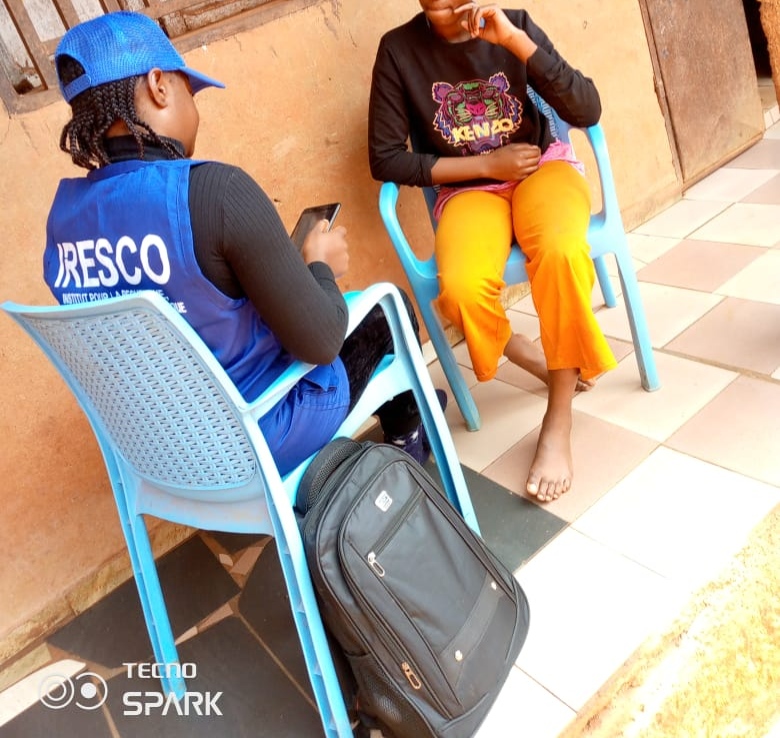
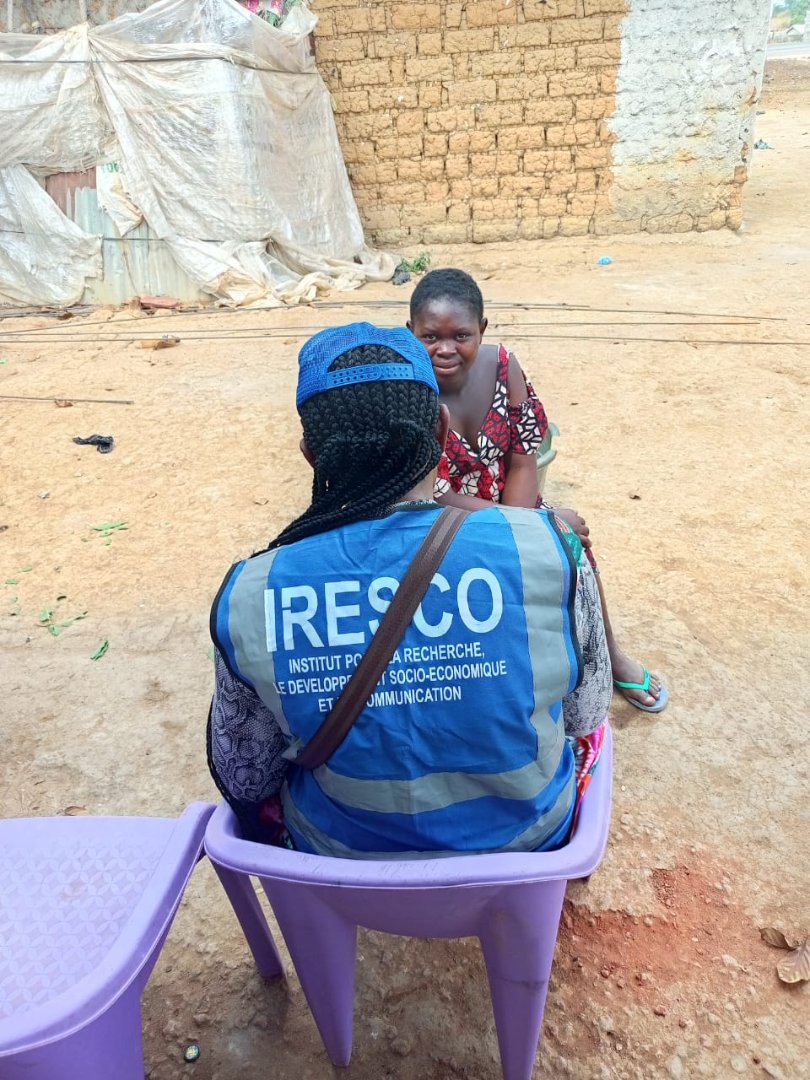
The project was structured in several phases. A first research phase collected data from women with daughters aged 8 to 15 across 150 villages. This was followed by an intervention phase, focused on raising awareness among mothers about the dangers of breast ironing and promoting alternatives such as the use of bras.
The third phase consisted of a follow-up study, designed to compare baseline data with follow-up data in order to determine whether the intervention phase had produced the desired results.
This phase was followed by a final evaluation study. The final data collection, recently completed, took place over a period of 43 days. Work is now underway on the comparative analysis of initial and final data. The objective is clear: to assess the impact of the interventions carried out under the project. The study’s conclusions will ultimately be compiled into a comprehensive report and published in scientific journals, contributing to broader knowledge on these practices and informing public policy.
So, is breast ironing a tradition to be preserved or a practice to be reconsidered? One thing is certain: better information, open dialogue, and practical alternatives remain essential for protecting young girls while respecting cultural realities.
The conversation is open. And it concerns all of society.
#HealthProtection
#StopBreastIroning
© Copyright 2013 - 2026, IRESCO.
Tous droits réservés